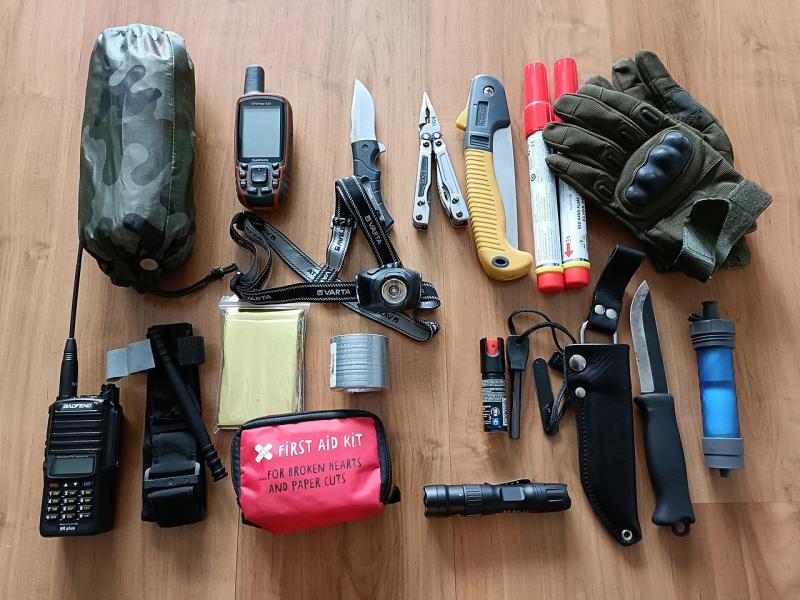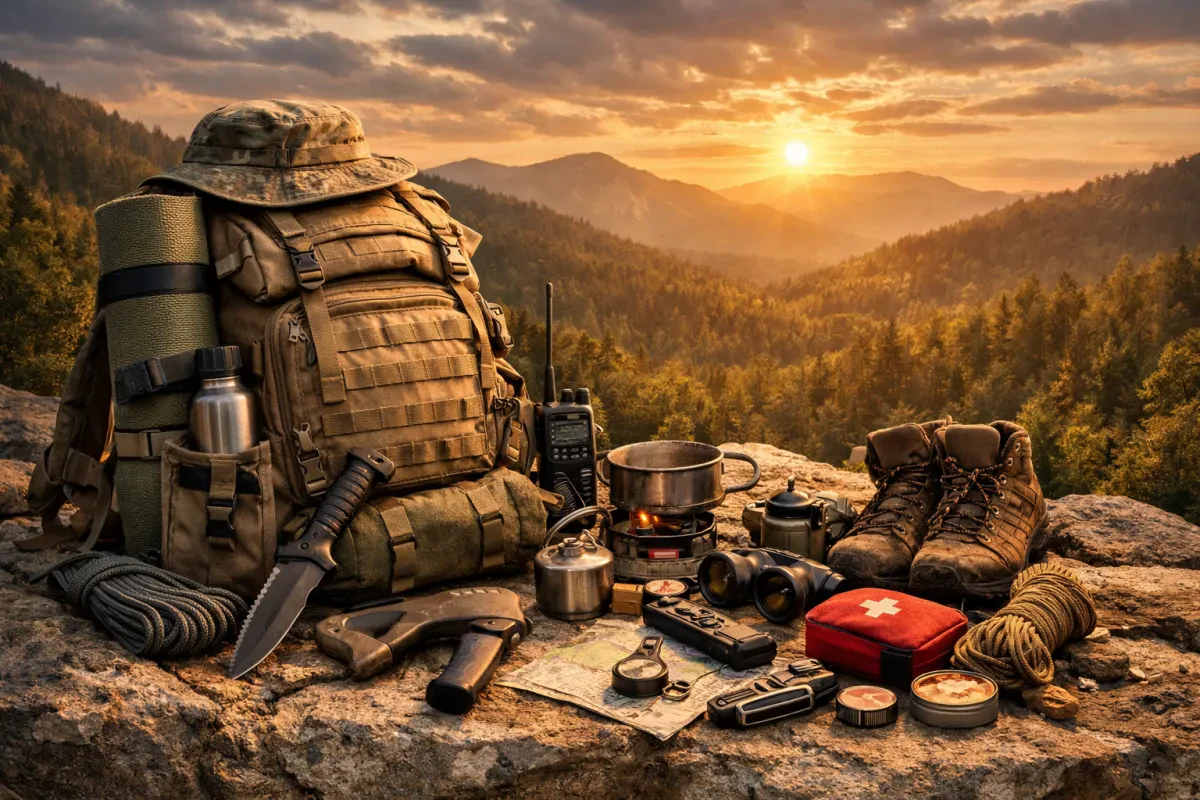
When packing your bug out bag, think about what you really need to survive. You want a balance between essentials and lightweight items. Start with the basics: food, water, and shelter. Pack non-perishable food like freeze-dried meals or energy bars. They’re easy to carry and give you the energy boost you need. A compact water filter or purification tablets can turn questionable water sources into safe drinking water.
Next up is shelter. Consider a reliable tarp or a lightweight tent that fits snugly in your bug out bag. A good sleeping bag or emergency bivvy can keep you warm at night. Don't forget a sturdy emergency blanket; it’s small but makes a huge difference in keeping your body heat in.
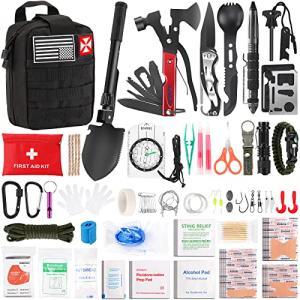
After the basics, add some tools and gear. A quality multi-tool can handle several tasks without taking up much space. A reliable flashlight, along with extra batteries, is critical for navigating in the dark. Fire-starting supplies like waterproof matches or a reliable lighter should also make the cut. It’s all about being prepared without overloading your bag.
Lastly, remember personal items that cater to your health and safety. A first-aid kit loaded with band-aids, antiseptic wipes, and pain relievers is crucial. You might also want a small roll of duct tape; it’s handy for quick fixes. And if you have specific medications, be sure to pack those too. Personal safety items like a whistle or pepper spray can also help you feel secure as you head into the unknown.
Choosing the Right Bag for You
Picking the right bag for your bug out bag is super important. You want something that fits your needs without weighing you down. There are a few types to consider. Some people prefer backpacks, while others like duffel bags or even tactical bags. Think about how much gear you need to carry and what type of activities you’ll be doing. A backpack is great for hiking, while a duffel bag might be better for urban settings.
Size really matters when it comes to your bug out bag. A good rule of thumb is to aim for a bag with a capacity of 40 to 60 liters. This size usually gives you enough room for your essential gear without making it awkward to carry. If you pack too much, you’ll find it hard to move quickly, which is a big no-no in an emergency.
Don't forget about the features! Look for a bag with plenty of pockets and compartments. This helps you stay organized and find what you need quickly. Water-resistant materials are a definite plus too. You don’t want your gear getting soaked if the weather turns bad. Finally, make sure the straps are comfortable and adjustable. You’ll thank yourself later when you carry it for hours.
Lastly, consider the weight of the bag itself. You want something durable but not too heavy. A lighter bag allows for more gear without straining your back. Test out a few options and see what feels right for you. Remember, your bug out bag is your lifeline in an emergency, so choose wisely!
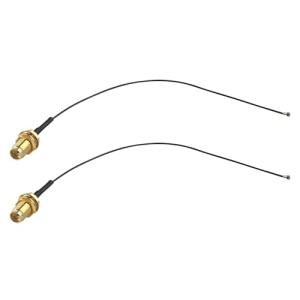
Futheda 2pcs U.FL IPX MHF4 to SMA Female Bulkhead Mount WiFi Antenna Extension Cable 0.81mm IPX SMA Coaxial Pigtail Cable 15cm/6 inch for Wireless Network Router RF Device Mini PCI Bluetooth GPS
Product information
£6.49
Product Review Score
4.53 out of 5 stars
229 reviewsProduct links
Top Tools for Survival Situations
When it comes to your bug out bag, having the right tools can make a huge difference in a survival situation. You want gear that’s reliable and easy to use. Here are some top tools you should definitely consider packing.
Multi-Tool
A good multi-tool is a must-have. It combines several tools in one compact item, saving space in your bug out bag. Look for one with a knife, screwdriver, and pliers. This way, you can tackle different tasks like making repairs or preparing food without needing multiple items.
Fire Starter
Fire is essential for warmth, cooking, and signaling for help. A reliable fire starter, like a ferro rod or waterproof matches, will give you peace of mind. Choose one that’s easy to use, even in wet conditions, so you can focus on keeping warm or cooking your meals.
Water Purification System
You’ll need clean drinking water, no matter where you are. A portable water purification system is a smart addition to your bug out bag. Options like water filters or purification tablets can help you turn questionable water into something safe to drink.
First Aid Kit
Don’t overlook the importance of a first aid kit. Pack one with band-aids, antiseptic wipes, and essential medications. You never know when you might need to treat a cut or manage an allergy. Having a well-equipped first aid kit can keep you healthy and prepared for whatever comes your way.
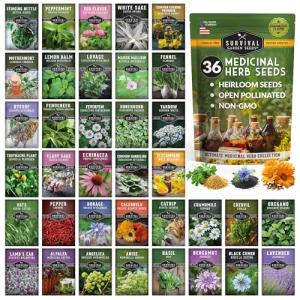
Ultimate Medicinal Herb Seeds Variety Pack – 36 Heirloom Non-GMO Healing Herbs for Planting | Wellness & Apothecary Garden Kit for Herbalists, Homesteaders – Survival Garden Seeds (28,000+)
Product information
Product Review Score
4.91 out of 5 stars
11 reviewsProduct links
Tips for Packing Efficiently and Effectively
Packing your bug out bag doesn’t have to feel like a chore. It’s all about smart choices and a little planning. Start by making a list of essentials. Think about what you really need for survival: food, water, shelter, and first aid supplies. Don’t forget tools and gear that can help you in tough situations.
Next, focus on weight and space. Choose lightweight items where possible. For example, look for compact tools and dehydrated foods. Pack your bag in a way that makes heavy items sit low and close to your back. This keeps your balance steady and makes it easier to carry over long distances.
Organize your gear into categories. Use smaller bags or packing cubes to separate food from gear, and medical supplies from clothing. This not only saves time when you need to grab something but also helps you stay organized during a crisis. Clear, easy-to-read labels can also help if you’re in a hurry.
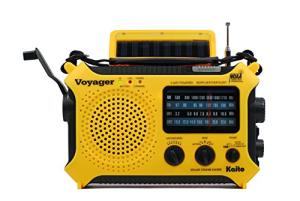
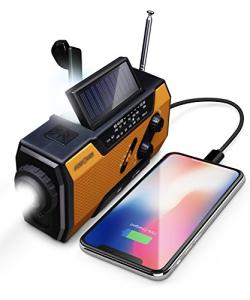
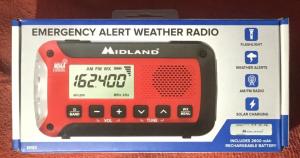
Finally, don’t forget to regularly check and update your bug out bag. Replace expired food, swap out seasonal clothing, and ensure batteries in tools like flashlights or radios are fresh. A well-maintained bag means you’re always ready to head out when the need arises.