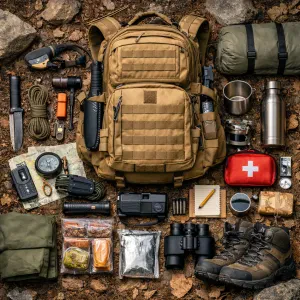
Survival Gear: The Urban Prepper Detective Guide to Kits That Work
Survival gear is not a costume. It is a set of tools that keeps you safe when normal life breaks. In the UK, “breaks” often means a power cut, flooding, or fuel chaos. It can also mean civil strain and fear. Call it shtf if you like, the point stays the same.
Most people will not face extreme survival in a jungle. Most will face a messy week at home. That is why the smartest plan starts with emergency preparedness, not fantasy.
This guide is written for the urban prepper. It also covers rural needs, homesteading, and basic outdoor survival.
What survival gear is really for
Gear has one job: reduce risk fast.
It does this by covering five hard truths:
-
You need safe water.
-
You need warmth and dry clothes.
-
You need light and power.
-
You need basic medical help.
-
You need clear info and a way to act.
If your kit does not help with these, it is a hobby buy.
A lot of people chase cool survival gadgets. Some are useful. Many are junk. The rule is simple: buy for problems, not for vibes.
The three layers of prepper gear
Good prepper gear comes in layers. Each layer has a purpose.
1) Daily carry (EDC)
EDC tools are small items you have most days. They help with small faults and bad timing.
This is where “survival” often starts. A torch and a power bank fix more problems than most people admit.
2) Home kit (bug in)
A strong home kit supports a bug in plan. It keeps your home stable when services fail.
Bugging in is the default for most city folk. Your supplies are there. Your bed is there.
3) Move kit (bug out)
A move kit supports a bug out plan. It is for rare cases. Fire, flood, local disorder, or a forced move.
Bug out gear must match your body, your health, and your route. Heavy bags break people.
Emergency survival tools: what earns a place
The phrase emergency survival tools gets thrown around online. In real life, tools need to be simple and tough.
The best tools do boring jobs:
-
Cut, open, fix, tighten, and seal.
-
Light, charge, and signal.
-
Heat water and make a warm drink.
-
Stop bleeding and clean a wound.
Tools that only do one weird thing are easy to skip. You want items that solve many common problems.
Water gear: the first priority in a natural disaster
In a natural disaster, water can fail fast. You might still get water, but it may be unsafe. You might get none for a day or two.
Water gear has three parts:
-
Storage
-
Treatment
-
Carry
Keep it simple and layered.
Storage: bottles, jerry cans, or clean food-grade tubs.
Treatment: a filter plus a back up method.
Carry: a bottle you can grab and go.
Do not build a kit that depends on “finding water later.” In cities, water points get crowded. Crowds bring risk.
Light and power: keep life running
Power cuts turn calm homes into stress boxes. Phones die. Lights fail. Fear rises.
A basic plan needs:
-
A head torch for hands-free work.
-
A room light, like a lantern.
-
Spare batteries you can find in the dark.
-
Power banks that stay topped up.
This is also where many survival gadgets shine. Some “gadget” items are worth it. Small, cheap, and proven.
Avoid anything with a fragile build or rare batteries. Standard parts win.
Fire and cooking gear: think safe, not flashy
You need a way to heat water and warm food. You also need to do it safely indoors.
That means:
-
Good vent and clear rules.
-
A stable stove, not a wobbly toy.
-
A safe fuel plan that you store right.
In UK flats and terraces, indoor safety matters more than “cool factor.” A bad fire plan is worse than no plan.
Keep a no-cook food layer too. It buys time when cooking is not safe.
Shelter and warmth: the silent killers in the UK
Cold is not dramatic. It just drains you.
Warmth gear should focus on:
-
Layers you can wear at home.
-
Socks and base layers you can swap.
-
A sleeping setup that fits your home temps.
-
Simple ways to block drafts.
Many people own winter coats but freeze at home. They sit still and lose heat. Plan for long hours indoors.
First aid: the gear is not the skill
First aid is not a pouch full of hope. It is a system you know how to use.
In disruption, small cuts get infected. Burns happen. Falls happen in the dark. Stress makes people clumsy.
A home kit should cover:
-
Cleaning wounds
-
Closing small cuts
-
Pain control
-
Burns
-
Blisters
-
Stomach upset and rehydration
A move kit should focus on:
-
Bleeding control
-
Wound cleaning
-
Basic meds
-
Simple wraps and tape
Do not buy trauma gear you cannot use. It is not “hardcore.” It is pointless.
If you can, take a basic first aid course. Skills beat gear.
Multi tool: useful, but only if it matches your life
A multi tool can be brilliant. It can also be dead weight.
The right one helps with:
-
Small repairs
-
Opening packs and tins
-
Cutting cord and tape
-
Tightening loose parts
The wrong one has weak tools and sharp edges that fold. That is how hands get cut.
In the UK, also think about local law and rules on carry. Keep it sensible. Home kits have fewer limits than street carry.
EDC tools: the small kit that stops big problems
EDC tools are not a status thing. They are a quiet way to stay ready.
A solid EDC set is boring:
-
Small torch
-
Power bank and cable
-
Lighter or matches (where safe and allowed)
-
Small note card with key numbers
-
A pen that works in rain
-
A basic pocket tool, where lawful
If you carry nothing else, carry light and power. Most “emergency” issues start there.
Bug in: how to gear for staying put
A bug in plan is home-based. It needs depth, not speed.
Key home gear areas:
-
Water storage and treatment
-
Food that needs little prep
-
Light, power, and battery plan
-
Warmth, bedding, and spare layers
-
Hygiene and waste plan
-
Basic tool kit for small repairs
-
A radio or offline news option
Bugging in also needs routine. Routine keeps heads calm. Calm stops stupid choices.
Bug out: when moving is the safer call
A bug out plan is for rare cases. Fire, flood, gas leak, or forced move.
Bug out gear should be light and real. It must match your health. Many people pack like soldiers and collapse in ten minutes.
A good bug out kit focuses on:
-
Water carry and quick treatment
-
Warm layers and rain cover
-
Food you can eat on the move
-
Light and power
-
First aid
-
Basic nav and local maps
-
Copies of key docs and a small cash float
The best bug out plan is still about place. Where are you going? Who is there? What is the route?
If you do not have a place to go, a bag is not a plan.
Military gear: what’s useful and what’s cosplay
Military gear has value when it is built to last. Packs, boots, and tough clothing can be great.
The trap is buying gear that looks “tactical” but fails fast. Another trap is thinking military style equals safety.
In an urban event, being low-key matters. Loud kit draws eyes. Eyes bring trouble.
Use military gear for function, not for image. Plain colours are often better than camo.
Survival gadgets and cool survival gadgets: how to spot the keepers
The phrase survival gadgets covers everything from useful to useless. The same goes for cool survival gadgets.
Keepers share traits:
-
They work out of the box.
-
They are hard to break.
-
They have simple controls.
-
They use common batteries.
-
They do more than one job.
Examples of “gadget” ideas that often earn their place:
-
A small hand-crank or battery radio
-
A strong head torch
-
A compact charger with clear readout
-
A basic door alarm for home use
Avoid novelty items that promise “10 functions” with poor build. They fail under stress.
Outdoor survival and camping essentials: the overlap
A lot of outdoor survival advice is useful. Warmth, water, shelter, first aid. The basics do not change.
But urban life has extra factors:
-
Crowds
-
Crime risk
-
Noise and attention
-
Rules and law
-
Limited space in flats
Still, many camping essentials carry over well. A good sleeping mat, a warm bag, a simple stove, a head torch. These work at home too.
If you can buy gear that works for camping and home, you save money. That is smart prepping.
Survival skills: gear is the support act
Gear helps, but survival skills decide the outcome.
Skills that matter most for the average UK prepper:
-
Make water safe
-
Cook with limited fuel
-
Stay warm without central heat
-
Basic first aid and wound care
-
Read your area and avoid crowds
-
Simple home fixes, like leaks and drafts
-
Map sense and route planning
Skills also reduce fear. Fear makes people loud and rash.
Pick one skill each month and work it. Small reps beat big plans.
Prepper mindset: shtf, doomsday survival, and keeping it real
Many people enter the space through big ideas like doomsday survival. They imagine a total crash. That sells on YouTube.
Real life is often slower and dirtier.
Even in shtf, most problems are basic:
-
No power
-
No clean water
-
No heat
-
No cash access
-
No clear info
If you prep for these, you are ahead of the crowd.
If you only prep for doomsday scenes, you miss the real risk. The real risk is being weak when life gets hard.
Extreme survival: why it can mislead you
Extreme survival content can teach grit. It can also teach bad habits for cities.
In an urban event, you want:
-
Low noise
-
Low profile
-
Low conflict
-
High calm
You are not trying to “win the streets.” You are trying to avoid becoming a target.
Extreme tactics often bring heat. Heat brings risk.
Keep your gear and habits aimed at safety and quiet control.
Homesteading gear vs urban prepper gear
Homesteading shifts the gear list. You need more tools, more spares, and more repair parts. You may need backup water, fuel, and food systems.
Urban prepping is different. Space is tight. Noise matters. Neighbours matter.
If you do both, build your kit in two zones:
-
Home stability kit (urban)
-
Land and work kit (homestead)
Do not mix them into one big pile. You will never find what you need.
The core kit list that covers most real events
This is a practical core. It works for home and short moves.
-
Water storage and a water treatment layer
-
Head torch, lantern, spare batteries
-
Power bank, spare cables, car charger if you drive
-
Warm layers, spare socks, sleeping plan
-
Simple cooking setup and no-cook food layer
-
First aid kit you understand and can use
-
Basic tool kit and a decent multi tool
-
Hygiene items and waste bags
-
Radio or offline news option
-
Cash and copies of key docs
This is not glamorous. It is what works.
How to test your prepper gear without drama
Testing makes you sharp. It also shows weak points fast.
Try simple drills:
-
One evening with no mains power.
-
Cook a meal with your backup method.
-
Use only stored water for a day.
-
Pack your bug out bag and walk for 30 minutes.
-
Do a full kit check in the dark.
Write down what failed. Fix it. That is how a prepper gets real.
Buying guide: how to spend without wasting
If you want to avoid junk buys, follow this order:
-
Water and warmth
-
Light and power
-
Food and cooking
-
Tools and repair
-
Comms and info
-
Comfort and morale
Do not start with “tactical.” Start with useful.
When you browse tactical gadgets on amazon, treat it like a market. Most stalls sell shine. A few sell quality. Use your judgement.
Final thoughts: survival gear is a system, not a haul
Survival gear works when it fits your life.
If you are an urban prepper, focus on bug in strength first. Make home stable. Reduce stress. Stay quiet.
Build a bug out plan only when you have a real destination.
Buy fewer items. Buy better items. Test what you own.
That is how you build real emergency preparedness for a natural disaster, a rough week, or full shtf conditions.