SHTF is an acronym for “sh*t hit the fan.” It means a situation has gone bad fast. Normal life stops working. People panic. Systems fail. The gap between “fine” and “problem” gets very small.
SHTF can be huge, like civil unrest or war. It can also be local, like a flood, a long power cut, or a major water issue. The point is the same. You don’t get to pick the timing. You either have a plan, or you scramble.
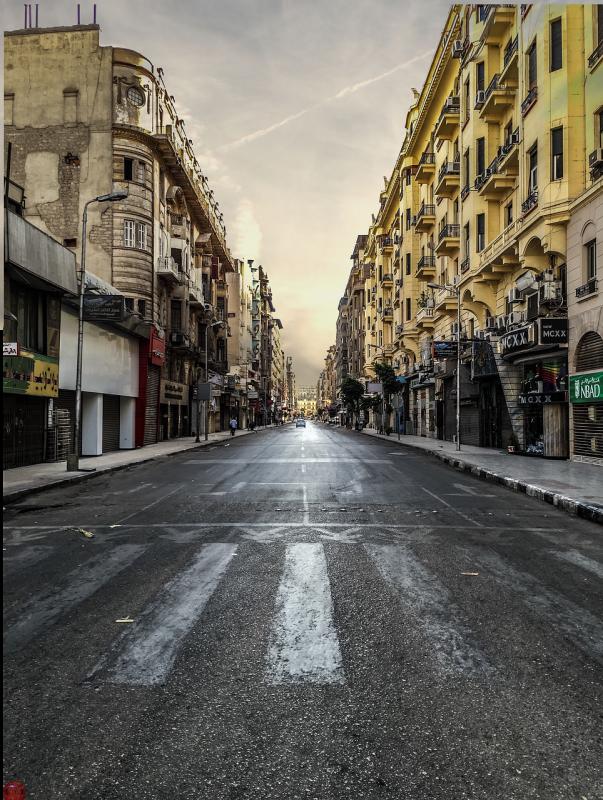
I’m writing this as Urban Prepper Detective. UK-based, urban focused, and bug-in minded. No fantasy woods stuff. Most people will face SHTF at home, in a town or city.
What SHTF Looks Like in Real Life
SHTF is when the usual safety nets wobble or break. It often starts with something small:
- Card payments stop working.
- Fuel runs out or queues form.
- The shelves thin out.
- Phones still work, but networks choke.
- A storm knocks out power and roads.
- A local incident pulls police and ambulances away.
Then fear spreads. People copy other people. That is the real danger.
SHTF is not just “no rule of law.” It can be a slow grind too. Prices rise, services slip, and you feel the squeeze every week.
Home Emergency Preparedness: Your Home Is Your First Safe Place
Home emergency preparedness means your home can run in a basic way, even when the outside world is messy.
It is not about owning loads of gear. It is about removing weak points. If your home relies on one thing, and that thing fails, you suffer.
A strong home setup covers the basics:
- Water you can drink.
- Food you can eat without stress.
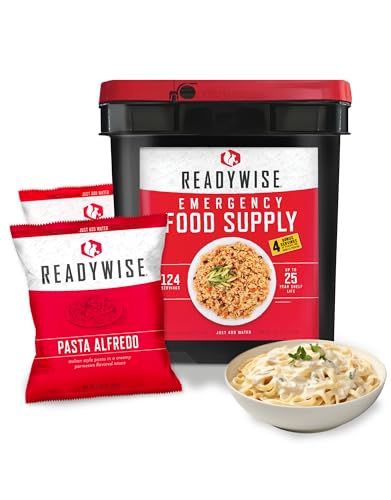
ReadyWise 124 Serving Ultimate Preparedness Pack, 25 Year Shelf Life
Stock Up Now for Long-Term Emergency Survival with ReadyWise 124 Serving Pack
Product information
$99.99 $84.99
Product Review Score
4.8 out of 5 stars
86 reviewsProduct links
- Heat and light when the power is out.
- Basic medical supplies.
- A way to get news and updates.
Home emergency preparedness also means you can stay calm. Calm is an edge. Panic makes people loud and careless.
If you are serious about SHTF, start here. Your home is where your tools are. Your bed is there. Your people are there.
SHTF Supplies: What Matters and What is Hype
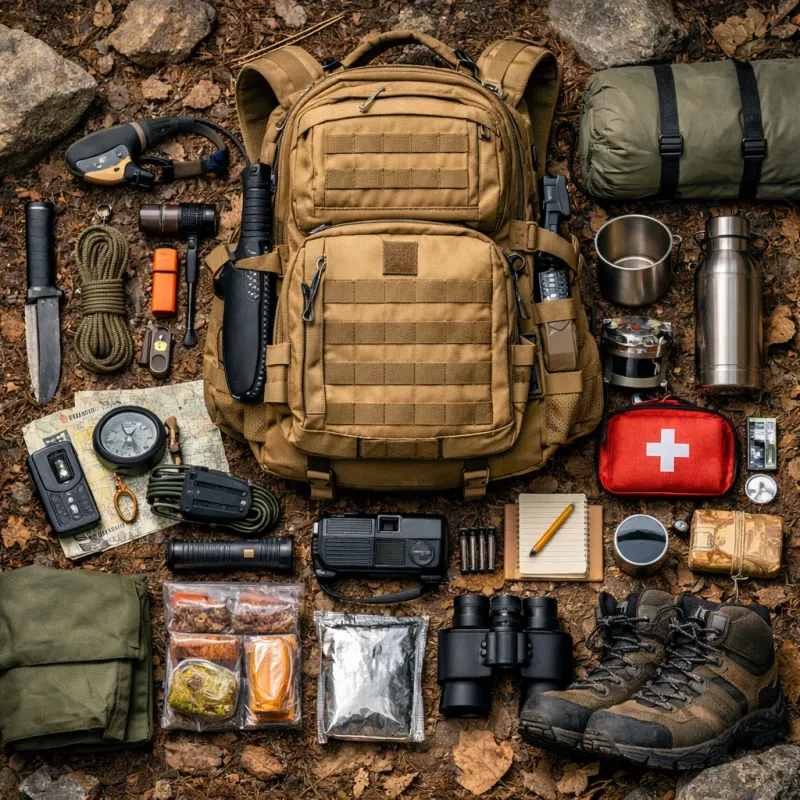
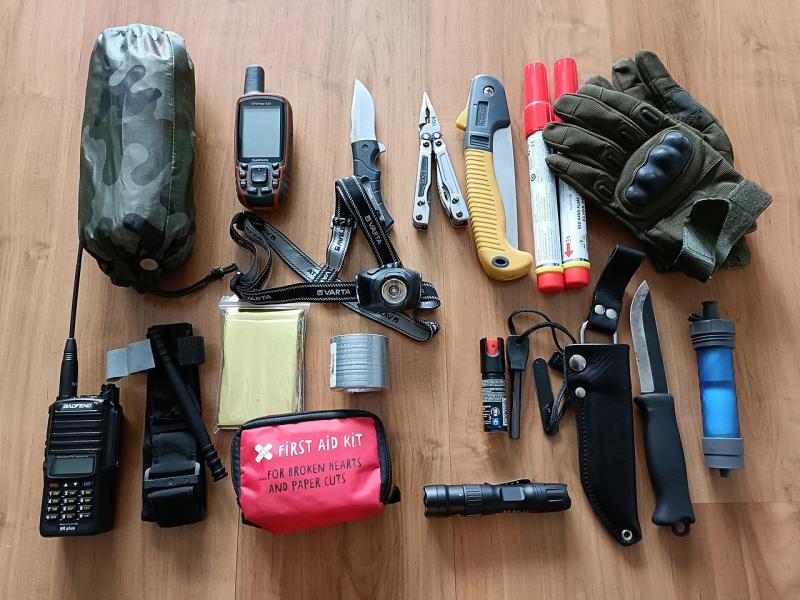
SHTF supplies are the core items that keep you alive and stable when the normal supply chain fails.
People get this wrong by buying weird stuff. Or they buy 20 items that do the same job. Or they buy things they never test.
SHTF supplies should be simple. They should solve real problems:
- Water storage and water treatment.
- Long life food you already eat.
- A way to cook without mains power.
- Light that works and batteries that fit.
- Warm layers and a sleeping plan.
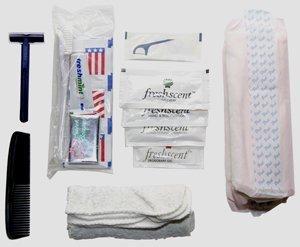
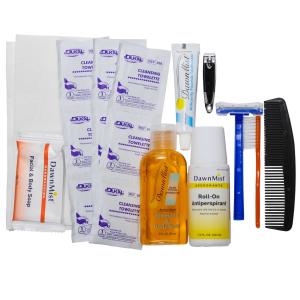
- Hygiene items, because illness spreads fast.
- A small tool kit for small fixes.
- Cash for short payment issues.
Your supplies are not just “things.” They are time. They buy you days and weeks of breathing room. That keeps you out of crowds and out of trouble.
Disaster Prepping: Think Likely, Not Cinematic
Disaster prepping means you prepare for the most likely events first. Not the most exciting.
In the UK, the common threats are boring but real:
- Storms and flooding.
- Power cuts.
- Water supply problems.
- Transport disruption.
- Local disorder after a flash event.
- Short term shortages.
If you prep for these, you also build a base for bigger problems. That is how you win. One layer at a time.
Disaster prepping also means you know your area. You know the choke points. You know where crowds build. You know the weak spots in your building and street.
A prepper who knows their area beats a prepper who owns more kit.
Emergency Preparedness and Response Plan: What You Do, In What Order
An emergency preparedness and response plan is a simple set of actions your household can follow under stress. Not a 40-page folder nobody reads.
A plan answers basic questions:
- Who does what?
- Where is the kit stored?
- How do we communicate if phones fail?
- When do we stay home, and when do we leave?
- Where do we meet if we get split up?
If your plan is vague, it will fail. Stress kills memory. Stress kills good judgement.
Here is a basic structure that works:
- First 10 minutes: safety check, doors, windows, injuries.
- First hour: water, light, heat, news check.
- First day: ration plan, cooking plan, hygiene plan.
- First week: security habits, quiet routine, rotate tasks.
Write it down. Keep it simple. Practice it once in a while.
$78.00
$32.38
4.91 out of 5 stars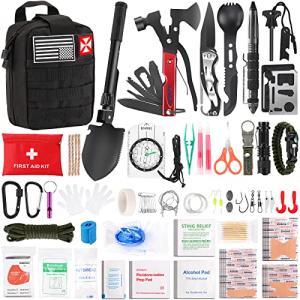
248PCS Survival First Aid Kit in MOLLE Pouch
Essential Emergency Medical Supplies for Your Survival Gear Collection
Product information
Product Review Score
Product links
Bugging In: Why It Is the Default Option in Cities
Bugging in means you stay put. You ride it out from home.
In most SHTF events, moving is risky. Roads clog. People get stuck. Tempers flare. Police and services are stretched. You also stand out if you look like you are “escaping.”
Bugging in works because:
- Your supplies are at home.
- You have shelter and warmth.
- You can control access.
- You can keep routines.
Bugging in needs a mindset shift. You are not “waiting.” You are managing risk in your own space.
It also means you plan for the awkward bits:
- What if the lift fails?
- What if bins are not collected?
- What if neighbours knock asking for help?
- What if you can’t cook with electric?
Bugging in is not passive. It is active control.
Bugging Out: When Staying Home Becomes the Risk
Bugging out means leaving your home because staying is more dangerous than moving.
This is rare, but real. Common reasons include:
- Fire in the building.
- Flooding that makes the home unsafe.
- Serious local disorder near your street.
- Structural issues, gas leaks, or contamination.
Bugging out is not “let’s go to the woods.” In the UK, that is often nonsense. Bugging out is usually: get to a safer building, safer area, or a trusted person’s place.
If you bug out, you need three things sorted:
- A destination (or two).
- A route (and a backup route).
- A small kit that matches your body and health.
Bugging out with a heavy bag sounds good online. In real life, it breaks people. Keep it realistic. Your back, your fitness, your terrain, your weather. All of it matters.
The SHTF Mistakes That Get People Hurt
Most failures are not about gear. They are about behaviour.
Common mistakes:
- Leaving it too late to act.
- Joining crowds and queues.
- Telling everyone what you have.
- Poor sleep, poor food, poor hygiene.
- Getting drawn into drama in public.
- Making “hero” choices for ego.
In SHTF, attention is danger. Stay low key. Stay calm. Stay inside your plan.
Building Your SHTF Readiness Without Going Broke
You do not need a fortune. You need a system.
Start by building depth in what you already buy. Add a little each shop. Rotate it. Use it. Replace it.
A simple approach:
- Add two long life meals per shop.
- Add one water item per shop cycle.
- Add one spare battery or light item per month.
- Add one hygiene top-up per month.
This turns normal shopping into preparedness. It also stops waste.
Final Word: SHTF Is a Test of Calm and Clarity
SHTF means the sh*t hit the fan. The world turns noisy. People act strange. Systems wobble. The ones who cope are not the loudest. They are the ones with basics covered and a plan they can follow.
Focus on:
- home emergency preparedness first.
- sensible shtf supplies you can use and maintain.
- realistic disaster prepping based on your area.
- a clear emergency preparedness and response plan.
- choosing bugging in unless your home becomes unsafe.
- having a clean, simple bugging out option for real emergencies.
That’s how you stay ahead when things turn sharp.
4.5 out of 5 stars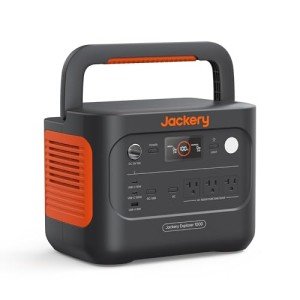
Jackery Explorer 1000 Pro Solar Power Station
Stay powered anywhere with this portable and versatile solar generator
Product information
Product Review Score
Product links