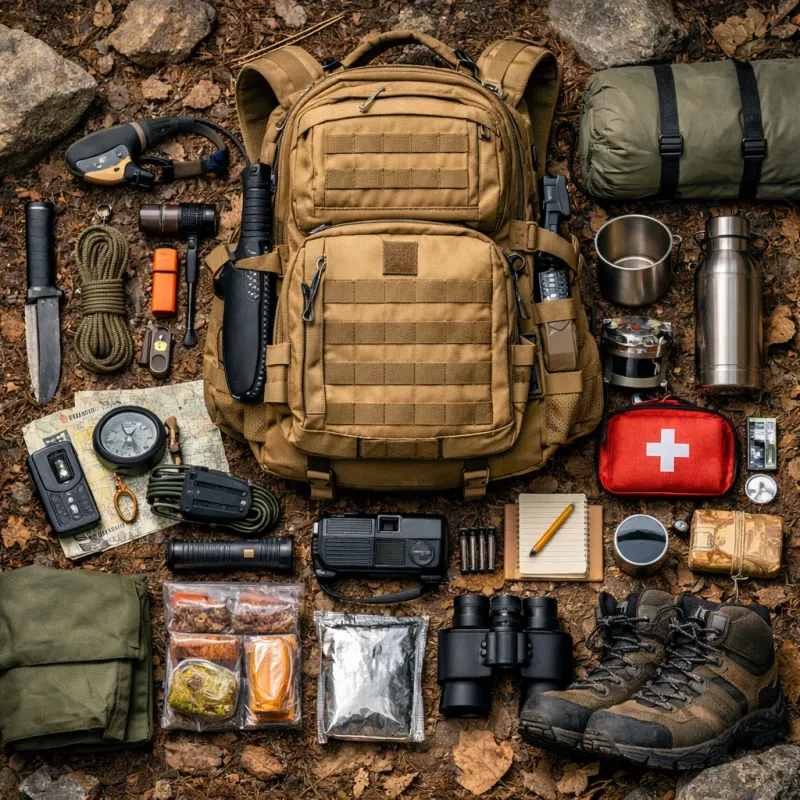
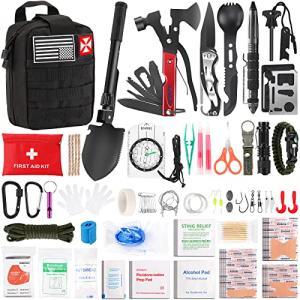
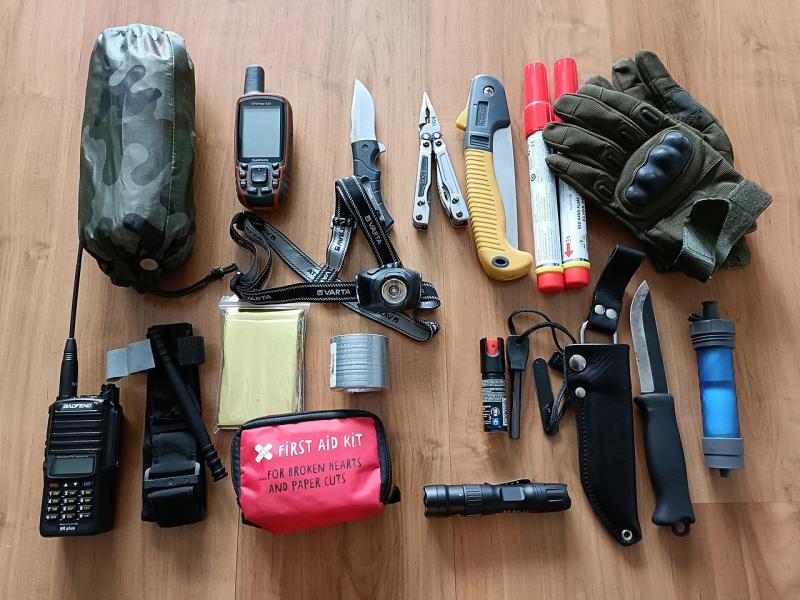
Urban Prepper Detective Guide to Survival Gear
A UK-based, streetwise approach to gear that actually matters when things go wrong.
If you live in the UK and you’re thinking seriously about preparedness, you’ve already got an advantage over most “outdoors survival” content: your problem is rarely the wilderness. It’s the estate, the high street, the stairwell, the lift that’s out of order, the queue that turns into a row, and the cold flat when the power’s been off for hours.
That’s why survival gear—real survival gear—should be chosen like a detective builds an operational kit: based on threat, environment, time, and failure points. Not fantasy. Not vibes. Not influencer shopping lists.
This guide is written from a bug-in first mindset for urban people, but it also covers what you should have ready if you must move.
The Urban Reality: What Survival Gear Is For
In a genuine disruption—whether it’s a local emergency, a wider shtf event, or simply a tough week where money and access are tight—gear is there to do one thing:
Reduce your dependency on fragile systems.
In an urban setting those systems are:
-
mains water and treatment
-
electricity and heating
-
food supply and payments
-
communications and navigation
-
personal security and medical access
So the core gear categories are not “cool.” They’re boring—and that’s the point.
Rule One: Gear Must Solve a Problem You Actually Have
A lot of people buy kit that makes them feel prepared while leaving the big gaps untouched. The Urban Prepper Detective way is simple:
-
What fails first in my area?
-
What’s the most likely disruption?
-
What would hurt me fastest: cold, thirst, injury, information blackout, or confrontation?
-
What can I realistically carry, store, and maintain?
Gear that doesn’t answer those questions is entertainment, not preparedness.
Core Survival Gear Category 1: Water Collection, Storage and Treatment
Food is irrelevant if water becomes unsafe or unavailable. In the UK, the risk is often not “no water forever,” but temporary disruption or contamination.
You want a layered setup:
Water storage
Start with what lets you ride out the first 48–72 hours without panic. Stored water is calm. Calm is decision-making.
Filtration and purification
Filters deal with particulates and many pathogens depending on type; purification methods are your backstop if you’re unsure.
Practical urban options include:
-
a reliable home filter system for day-to-day resilience
-
a portable filter for mobility
-
a chemical purification method as redundancy
-
a way to boil if you have fuel and ventilation
A simple principle: two ways to make water safe and one way to store it at minimum.
Core Survival Gear Category 2: Heat, Power and Light
Cold is a silent threat in UK homes, especially flats and older housing stock. If the grid goes down, your comfort drops fast—and so does your functioning.
Light
The priority isn’t brightness. It’s reliability and battery strategy.
-
head torch for hands-free work
-
a lantern option for room light
-
spare batteries stored properly (and rotated)
Power
Urban preparedness is increasingly about keeping comms and small devices alive.
-
a power bank strategy you actually keep topped up
-
a charging plan that doesn’t rely on one device
-
a small radio solution for information continuity
Warmth
Warmth is not just “staying cosy.” It’s preventing poor decisions and maintaining sleep.
-
layered clothing at home (people forget this)
-
sleeping system appropriate to your actual indoor temps
-
a plan for safe heating if the usual system fails
If you buy one thing here, buy the thing that keeps you functional at night. Darkness + cold + boredom is where morale collapses and people start making errors.
Core Survival Gear Category 3: Food Preparation Without Normal Cooking
In urban disruptions, your food problem isn’t always “no food.” It’s “can I cook it safely and quietly?”
Gear that earns its place:
-
a reliable way to heat water
-
simple cooking gear that doesn’t require a full kitchen setup
-
a plan for reduced cooking smells if your area becomes tense
-
basic hygiene around food prep when water is limited
This links directly to your survival food plan: store food you can actually prepare under stress.
Core Survival Gear Category 4: Medical and Trauma Capability
Urban life increases injury risks during disruption: broken glass, falls in the dark, minor burns, infections, and “stupid injuries” from rushed behaviour.
Think in layers:
Everyday medical
The stuff you’ll actually use: plasters, antiseptic, pain relief, rehydration, basic meds, blister care.
Practical trauma
If you’re serious about preparedness, you need the ability to deal with bleeding and shock while help is delayed.
You do not need a tacticool medic bag. You need:
-
a simple, organised system
-
knowledge to match it
-
duplicates of what you actually understand
The kit is only half of it. The other half is competence under stress. If you can’t use it correctly, it’s not gear—it's clutter.
Core Survival Gear Category 5: Information, Comms and Navigation
In urban incidents, misinformation spreads faster than reality. A prepper who can’t build an accurate picture is just a person with supplies.
Communications
You want the ability to:
-
receive information when mobile networks are congested
-
keep your phone alive
-
coordinate within your household without shouting across the building
Navigation
If you ever have to move, you need to know routes and choke points. Your phone may fail, and even if it doesn’t, relying on one app is fragile.
A detective mindset helps here: you’re not “adventuring,” you’re moving through risk.
Core Survival Gear Category 6: Personal Security and Home Hardening (Non-Drama)
Let’s be blunt: if you live in a built-up area, you don’t need cinematic kit. You need practical deterrence and boundaries.
Start with:
-
improving doors and windows within legal/landlord constraints
-
lighting and visibility (or controlled visibility, depending on scenario)
-
habits: who answers the door, when, and how
-
early warning inside the home (so you’re not surprised at 2am)
Survival gear for security is often less about “fighting” and more about:
-
not being selected as a target
-
buying time
-
keeping decisions calm and organised
If your security plan requires you to win fights, it’s not a plan. It’s gambling.
Core Survival Gear Category 7: Mobility Kit (If You Must Move)
Bug-in is usually the play. But you still need a “move” capability, because events can force you out: fire, flood, structural issues, local disorder.
Your mobility kit should be based on:
-
distance you can realistically travel with your back, fitness, and terrain
-
what you actually need for 24–72 hours
-
legal and social reality in the UK (you will be moving among people)
Urban movement is about:
-
water
-
warmth
-
documentation/ID
-
power
-
a compact medical layer
-
cash options if digital payments fail
Not about looking like you’re going to war.
The “Frugal Prepper” Gear Approach: Buy Smart, Buy Once
You can build effective gear on a budget, but you must be disciplined.
Principles:
-
avoid duplicate “multi-tools” that do nothing well
-
buy proven basics before niche items
-
standardise batteries where possible
-
choose gear you can maintain and store safely
-
test at home, not during a crisis
Most wasted money in preparedness comes from:
-
buying the wrong item first
-
buying too many versions of the same item
-
buying without a system (storage, rotation, maintenance)
A budget doesn’t hurt you. Randomness hurts you.
The Urban Prepper Detective Gear Test
Any gear you buy should pass a simple test:
-
Does it solve a likely urban problem?
-
Can I use it under stress with cold hands and low light?
-
Does it work without mains power?
-
Can I store it safely in a small UK home?
-
Have I tested it?
If the answer is “no,” it’s probably a purchase you’ll regret.
“Anything Else” That’s Actually Related and Often Overlooked
Hygiene and sanitation
Urban disruptions get grim fast if you can’t manage basic cleanliness. This is where illness and stress multiply.
Tools for minor repairs
A small, sensible tool layer prevents small problems becoming disasters: leaks, broken fittings, basic fixes.
Documentation
Copies of critical documents, basic contact lists, and a plan if you can’t access accounts.
Cash and small tradeables
In payment outages, small cash reserves solve problems quickly and quietly.
Closing: Survival Gear Is a System, Not a Shopping List
The Urban Prepper Detective approach is simple:
-
Build for likely disruptions first.
-
Prioritise water, warmth, information, and medical capability.
-
Choose gear that fits urban reality and the UK’s legal/social environment.
-
Test and maintain it like you mean it.