Survival Food for Preparedness: Building a Real-World Food Plan That Works
If you’re serious about preparedness, survival food isn’t a stack of novelty “apocalypse buckets” in the garage. It’s a practical system: food you’ll actually eat, stored in a way that survives time, disruption, and stress—whether you’re planning for a week of grid issues or true shtf conditions. For most people in the UK, the most realistic plan is bugging in, not trekking into the woods. That means your survival food strategy should look like a tougher, smarter version of your normal weekly shop—built for emergency preparedness and disaster preparedness, without turning your kitchen into a museum.
This guide covers the full picture: freeze dried food, emergency rations, water filters and purification, long life food, and the habits that make long term food storage reliable rather than performative.
What “Survival Food” Actually Means in a UK Preparedness Context
Survival food is any food that supports you when the normal system fails—power cuts, supply chain shocks, price spikes, storms, transport disruption, industrial action, cyber incidents, or simply a household crisis where money is tight and you can’t get out.
In the UK, the sweet spot is a layered approach:
-
Everyday long life foods you rotate weekly.
-
Dense calories that stretch budgets and keep energy up.
-
Protein you can rely on—including canned meat and other shelf-stable options.
-
Fast “grab-and-go” calories for short-term emergencies.
-
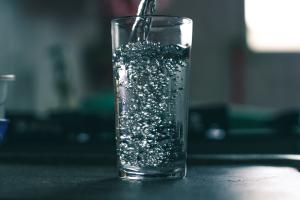
Water you can make safe, because food without water is a fantasy.
When people talk about “survival food,” they often focus on the dramatic. But the real test is boring: can you feed yourself calmly for two weeks if the shops are empty, the card system is down, or you’re stuck at home? If yes, your prepper pantry is doing its job.
The Bug-In Mindset: Your Pantry Is Your Plan
Most scenarios that affect normal life make travel harder, not easier. That’s why bugging in is the default for sane, urban preparedness. Your home is where your warmth, shelter, tools, meds, and water options are. So survival food planning should be built around the assumption that you stay put.
A well-built pantry gives you three advantages:
-
Time – you’re not forced to join the panic-buying crowd.
-
Options – you can choose what to eat based on stress, energy, and cooking ability.
-
Control – your household keeps routine and morale, which matters more than people admit.
The goal is a prepper pantry that feels like a “deep larder,” not a bunker stash. And if you’re building a frugal prepper pantry or a budget prepper pantry, this approach is even more important because waste is the enemy.
Cheap Survival Food That Actually Keeps You Going
There’s a lot of nonsense online about “cheap survival food.” Cheap doesn’t mean low quality; it means high value: calories, nutrition, shelf life, and versatility per pound spent.
The backbone of cheap survival food is simple:
-
Staples that store well (rice, pasta, oats).
-
Low-cost calories (flour, sugar, oils).
-
Bulk-friendly proteins (beans, lentils, chickpeas).
-
Long-life flavour (stock cubes, herbs, spices, sauces).
-
Foods that can be eaten with minimal cooking if needed.
If you’re building a pantry for emergency preparedness, the trick is to avoid “all carbs, no protein” and “all tins, no energy.” You want balance, because stress and cold chew through calories fast, and hunger makes people irrational.
Long Life Food: The Everyday Store Cupboard That Outlasts the Panic
Long life food is the workhorse of preparedness. It’s what you buy anyway—just more organised, deeper, and rotated properly.
A strong UK long-life base usually includes:
-
Pasta, rice, noodles, couscous
-
Porridge oats and cereal
-
UHT milk or milk powder
-
Tinned tomatoes, veg, fruit
-
Tinned soup and ready meals (useful when energy is low)
-
Cooking oils and fats (olive oil, vegetable oil, ghee)
-
Flour, yeast, baking powder
-
Tea, coffee, sugar, honey, jam, peanut butter
For long term food storage, long-life foods are the “daily driver.” They’re not glamorous, but they keep you fed without needing specialist gear, and they’re the easiest to rotate so nothing goes out of date and money isn’t wasted.
Canned Meat and Protein: The Part People Underestimate
Protein is where survival plans often collapse. You can live on pasta for a few days. Try doing it for weeks under stress and you’ll feel the difference—energy dips, mood drops, recovery slows.
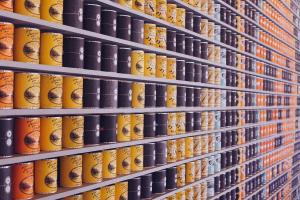
That’s where canned meat earns its place. It’s shelf-stable, usually ready-to-eat, and doesn’t require refrigeration. In UK cupboards, that might look like:
-
Corned beef, ham, chicken in tins
-
Tinned tuna, sardines, mackerel
-
Tinned meat stews and meals
-
Tinned beans with sausages or bacon (not gourmet, but useful)
Pair it with rice, pasta, potatoes, or bread and you’ve got a complete meal. For disaster preparedness, this is the kind of food that works even when you’re tired, your cooking options are limited, and morale needs a boost.
A good rule: build a protein shelf the same way you build a tool kit—duplicates of what works, not random novelty.
Freeze Dried Food: Lightweight, Long-Lasting, Not a Replacement for Your Pantry
Freeze dried food is brilliant for certain jobs, and a waste of money for others. It shines in three areas:
-
Ultra-long shelf life when stored properly.
-
Low weight and compact storage compared to tins.
-
Fast meals when you have hot water and minimal time.
But it isn’t the foundation of a budget prepper pantry. It’s usually expensive per serving, and if you rely on it you also rely on water and heat. In a true shtf scenario, water becomes the bottleneck. Freeze-dried meals can become “food you can’t eat” if you haven’t sorted hydration and purification.
Use freeze dried food as a layer:
-
A handful of familiar meals for quick morale.
-
A backup block for longer disruptions.
-
A “low-effort” option when you’re exhausted.
If money is tight, focus first on long-life staples and proteins. Add freeze-dried later once your base is solid.
Emergency Rations: Designed for Convenience and Calories
Emergency rations—the bar-style packs and high-calorie blocks—exist for speed. They’re not meant to be your daily diet. They’re meant to keep you functional when cooking isn’t possible or safe.
They’re useful for:
-
A go-bag or vehicle kit
-
Rapid evacuation
-
Short-term disruption where you’re moving or working hard
-
“Day 1–2” when everything is chaos and you just need calories
For emergency preparedness, emergency rations buy you breathing space. They stop you making stupid decisions when hungry and stressed.
But don’t overbuy them. A small reserve is sensible. A cupboard full of rations at the expense of real food is usually a sign someone has bought the marketing rather than built a plan.
Long Term Food Storage: The Unsexy Stuff That Makes It Work
Long term food storage isn’t just buying food with long dates. It’s storage discipline: keeping food safe from moisture, pests, temperature swings, and your own forgetfulness.
If your storage fails, the date on the tin is irrelevant. The basics matter:
-
Cool, dry, dark conditions where possible
-
Sealable containers for dry goods
-
Clear rotation so you eat the oldest first
-
A written inventory if you’re building beyond a couple of weeks
In a UK home, you’re often working with cupboards, under-bed storage, or a small utility area. That’s fine. Preparedness isn’t about having a bunker. It’s about using the space you have in a way that still works under pressure.
Water Filters and Purification: Survival Food Has a Water Problem
This is the part that separates people who look prepared from people who are prepared. Food is useless if water becomes unsafe or unavailable.
For disaster preparedness, assume water may be disrupted in different ways:
-
No water at all (supply interruption)
-
Water available but not safe (contamination, boil notices)
-
Water available but power out, so pumps and treatment are impacted
-
Localised issues (burst mains, flooding, sewage problems)
You need both water filters and purification, because they solve different problems.
Filtration is about removing particles and many pathogens depending on the filter type.
Purification is about making water safe using methods such as boiling or chemical treatment.
A strong home approach is layered:
-
Store water for immediate use (short disruption).
-
Have a filter solution for longer issues.
-
Have a purification method as a backstop.
Boiling is reliable if you have fuel. Chemical treatment is portable. A good filter is practical day-to-day. The point is redundancy—because a single failure point is how plans collapse in real life.
If your preparedness plan includes freeze dried food, water planning becomes even more important, because those meals are effectively “dry promises” until water arrives.
The Prepper Pantry That Doesn’t Waste Money
A prepper pantry is not built in one shopping trip. It’s built through small, repeatable habits. That’s especially true if you’re aiming for a frugal prepper pantry and you don’t want the whole thing to feel like a financial punishment.
Think in terms of “extras” rather than “new.” Each shop, add one or two pantry multipliers:
-
An extra bag of rice.
-
An extra tin of tomatoes.
-
An extra couple of tins of fish.
-
A spare jar of sauce or curry paste.
-
A duplicate of a comfort food that keeps morale up.
Over time, you’ve built a budget prepper pantry that looks normal, and that’s the point. Normality is a form of resilience.
Comfort Food and Morale: The Psychological Side of Survival Food
People love to talk about calories and macros. Under stress, your brain is just as important. Familiar foods reduce anxiety and keep kids calmer. Warm drinks help when the world feels unstable. Sweet treats can settle nerves and give you a sense of routine.
For preparedness, morale foods aren’t a luxury. They’re part of keeping a household functioning:
-
Tea, coffee, hot chocolate
-
Biscuits, chocolate, sweets
-
Instant desserts, custard, jelly
-
Spices and sauces that stop meals becoming repetitive
If you’re bugging in, you’re managing not just survival but behaviour. A household that’s calm makes better decisions.
Cooking Without the Grid: Don’t Store Food You Can’t Cook
A lot of survival food requires heat. That’s fine—if you’ve planned for it.
For emergency preparedness, consider what you can cook with when:
-
Electricity is out
-
Gas is out
-
You want to minimise smells or visibility
-
You’re tired and want minimal effort
That’s why tins, ready meals, and foods that can be eaten cold matter. Not every meal has to be gourmet. But you should have options that work when cooking is limited.
This is one reason canned meat and ready-to-eat items are so valuable: they reduce dependency on fuel.
The “SHTF” Reality Check: What’s Most Likely vs What’s Cinematic
Most people use shtf as shorthand for “everything collapses.” In reality, disruption comes in layers. Your survival food plan should handle the boring disasters first, because those are the ones that actually happen—then scale upward.
If your pantry can support:
-
72 hours with zero shopping
-
Two weeks of normal meals
-
One month of reduced-choice meals
…you’re in a strong position compared to most households. And you’ve done it without needing to spend a fortune or buy gimmicks. That is real preparedness.
Bringing It Together: A Practical Survival Food System
Survival food for preparedness isn’t a product—it’s a system:
-
Long life food as the base.
-
Canned meat and shelf-stable protein for stability.
-
Cheap survival food staples that stretch budget and calories.
-
Freeze dried food as a specialist layer, not the foundation.
-
Emergency rations for speed and short-term disruption.
-
Water filters and purification because water is the weak link.
-
A rotated, organised prepper pantry built for bugging in.
If you build it that way, your disaster preparedness doesn’t rely on drama. It relies on realism: food you recognise, storage you can manage, and a plan that still works when you’re stressed, tired, and the world is noisy.
That’s what separates a cupboard full of supplies from a household that’s genuinely ready.